
How to Start a Food Truck Business: Complete Step-by-Step Plan
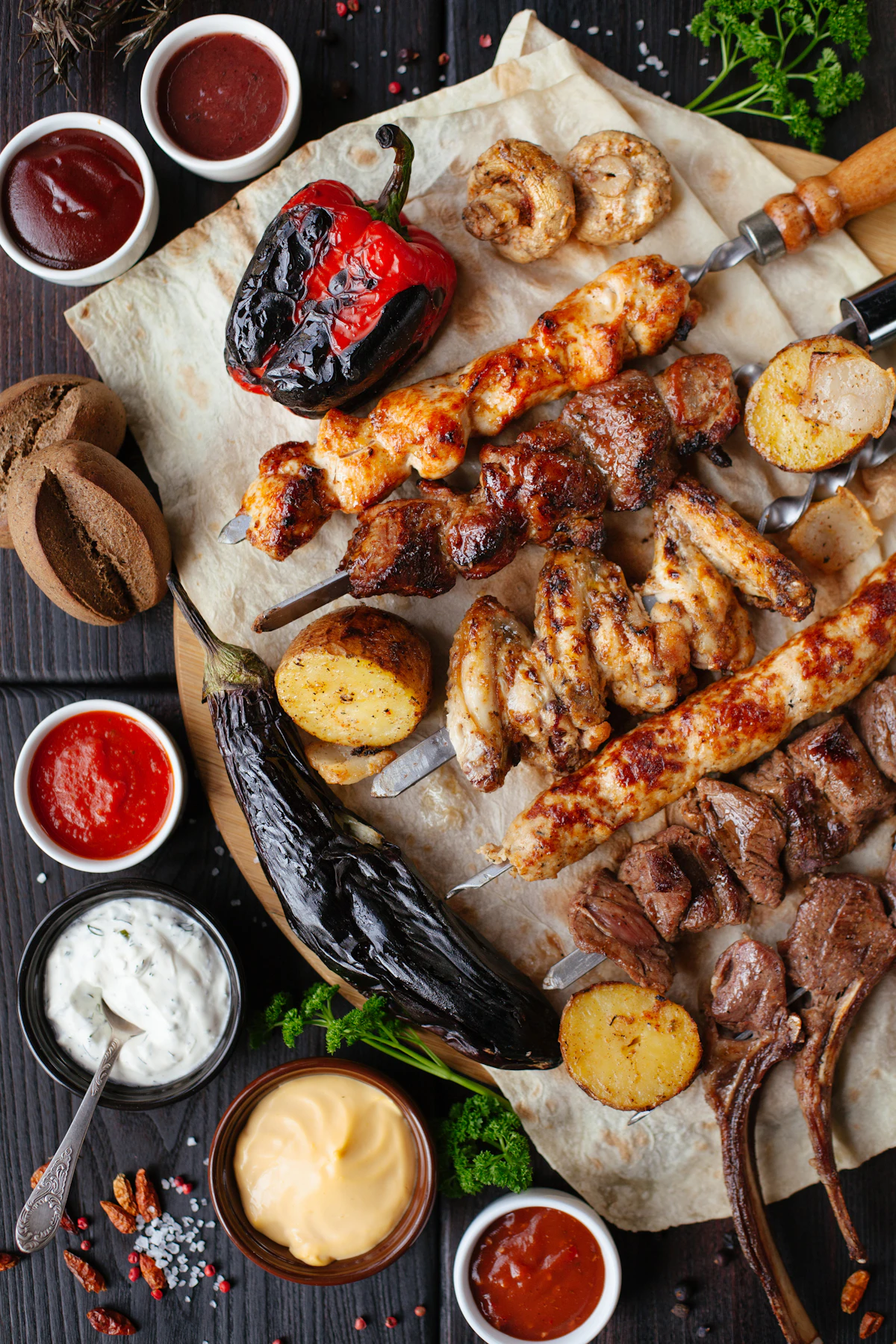
Food trucks look glamorous on Instagram, but behind every successful truck is a solid plan. This guide covers how to start a food truck business step by step, with real 2026 numbers.
Step 1: Validate your concept
The biggest mistake is buying a truck before testing the menu. Start by:
- Cooking for friends and local pop-up events
- Surveying your target areas for demand
- Researching your competition and their prices
Step 2: Write a simple business plan
Include your menu and pricing, target locations, startup budget, projected monthly costs, and a break-even point. Banks and investors will ask for this.
Step 3: Budget your startup costs
A realistic food truck startup costs $60,000 to $150,000 in 2026:
- Used truck: $40,000 to $80,000
- New truck: $100,000 to $180,000
- Kitchen equipment and install: $15,000 to $40,000
- Permits and licenses: $1,000 to $5,000
- Initial inventory: $3,000 to $8,000
- Insurance deposit: $1,500 to $4,000
Step 4: Register and license
- Register your business and get a tax ID
- Apply for your mobile food vending permit
- Get a food handler certificate
- Buy food truck insurance (see our guide for costs)
Step 5: Buy or build your truck
Choose between a used truck (fastest start) and a new custom build (best long-term). Have a mechanic inspect used trucks and verify the cooking equipment is health-inspected.
Step 6: Find your locations
- Apply to festivals and events in advance
- Scout business districts with lunch crowds
- Partner with breweries and office parks
- Track revenue per location and rotate based on data
Step 7: Market before you open
Build a following on social media before your first service day. Announce your launch date, post your menu, and show your build-out process.
Common mistakes to avoid
- Buying equipment before securing a commissary
- Ignoring maintenance budgets for the truck engine
- Underpricing because you fear competitors
- Relying on one location only
Final advice
Start small, track every cost, and reinvest early profits. The food truck model is a marathon — most profitable owners have been running for 2+ years.


